
The most reliable way to spark real hunger with cannabis is a lab-tested, high-THC product carrying appetite-oriented terpenes like myrcene or β‑eudesmol. THC drives the effect by activating CB1 receptors; the terpene profile shapes whether the hunger feels heavy and couch-locked or bright and active. Start with one to two puffs or a 2.5–5 mg edible, wait, then adjust. If you’re ready to shop, Saylessny stocks lab-tested flower and vapes built around exactly this profile.
TL;DR:
- Products with high THC and terpenes like myrcene or β‑eudesmol are most effective for stimulating appetite through CB1 receptor activation.
- Checking lab reports for THC percentage and terpene levels above 1.5% offers a reliable way to identify appetite-boosting cannabis, regardless of strain name.
- Inhaled forms act quickly within minutes, while edibles provide longer-lasting hunger effects, making timing crucial for meal planning.
- Starting doses should be low, such as 2.5 to 5 mg THC for edibles or one puff for inhalation, with gradual titration to avoid side effects.
- Lab-tested products from licensed dispensaries are safest and most effective, whereas untested options pose contamination and potency risks.
Table of Contents
- Why Cannabis Makes You Hungry: CB1, Ghrelin, and the Evidence
- Terpenes and Cannabinoids That Influence Appetite
- How Do You Choose an Appetite-Boosting Product at a Dispensary?
- Top Strain Profiles for Reliable Appetite Stimulation
- Dosing, Side Effects, and Special Considerations
- Pairing Appetite-Boosting Strains With Diet and Meal Timing
- Legal Considerations and Purchasing Regulations
- Why Trust This Guide: Say Less Proof Points and the Author’s Perspective
- Ready to Try It? Find Appetite-Forward Products at Say Less
- The Bottom Line on Choosing Appetite-Boosting Cannabis
- Sources
Why Cannabis Makes You Hungry: CB1, Ghrelin, and the Evidence
THC binds to CB1 receptors scattered through your brain and gut, and that binding does two things at once. It raises circulating levels of ghrelin, the hormone your stomach releases when it wants you to eat, and it engages the mTOR pathway, which governs how your body signals hunger and processes food reward. This combination is why a joint can turn indifference to dinner into genuine urgency within twenty minutes, a mechanism Examine’s review of cannabis and appetite lays out in detail.
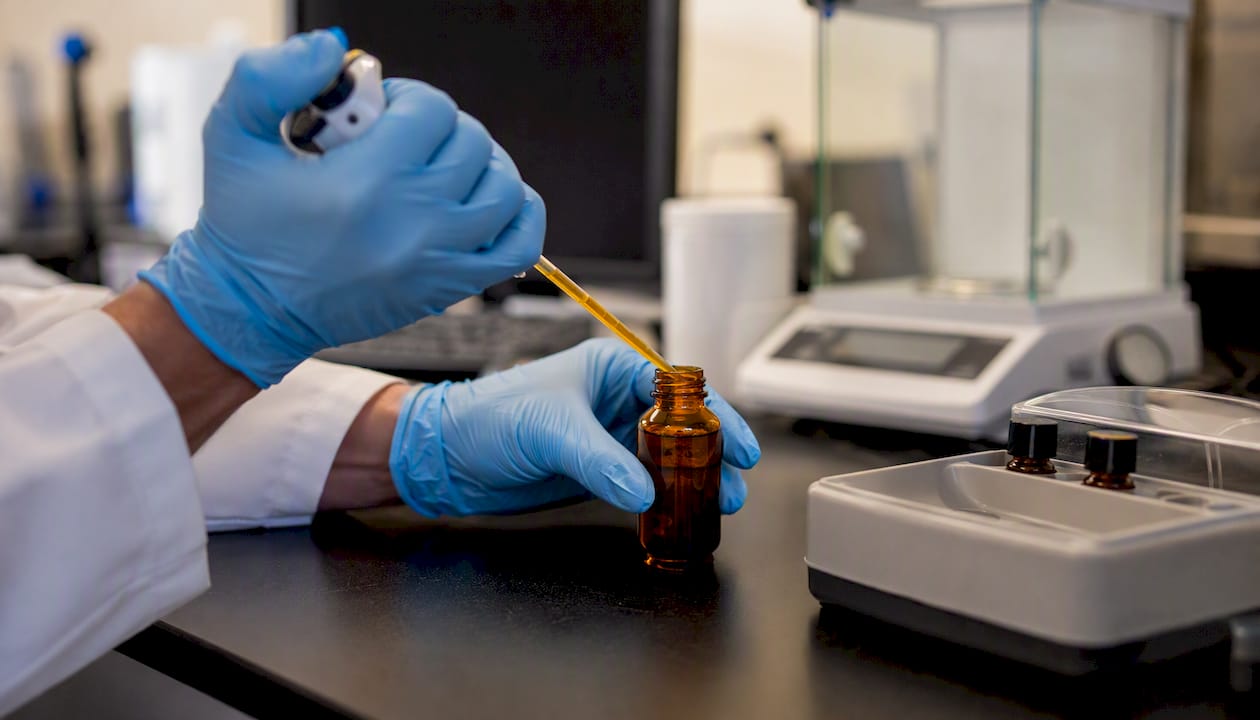
Here’s what most menus get wrong: sativa and indica labels tell you almost nothing about whether a product will spike your appetite. Dr. Ethan Russo, one of the most cited researchers in cannabis pharmacology, has argued directly that these categories are poor predictors of chemical composition and effect. What predicts appetite is the lab report: THC percentage and terpene content, not the strain family printed on the jar.
Clinical trials back the mechanism. Synthetic THC formulations like dronabinol have produced measurable weight gain in patients with HIV wasting and cancer cachexia, though the effect size varies by patient and requires medical supervision. That’s the clinical proof that CB1 activation translates into real, sustained eating behavior, not just a one-off snack run.
Terpenes and Cannabinoids That Influence Appetite
THC opens the door, but terpenes decide what kind of hunger walks through it. A few compounds show up again and again in appetite-forward genetics, including options like Tabakersatz mit CBD kaufen – Infusedline von Nature of Spirit that offer innovative non-THC terpene-infused alternatives:
- Myrcene — the most common terpene in high-THC cannabis, associated with the heavy, sedative munchies people describe after an indica-leaning session.
- β‑eudesmol — activates TRPA1 channels and has stimulated feeding behavior in preclinical studies, offering a non-THC route to hunger stimulation.
- Limonene — citrus-forward and mood-lifting, tends to pair with a brighter, more social appetite rather than a sedated one.
- Caryophyllene — peppery and anti-inflammatory, often rounds out a profile without adding drowsiness.
- CBG — a non-psychoactive cannabinoid that increased food intake and meal frequency in animal models, making it a candidate for people who want appetite support without a strong high.
These compounds don’t work in isolation. Research on the entourage effect shows certain terpenes can selectively enhance cannabinoid activity, which is part of why two products with identical THC numbers can hit completely differently. The entourage effect is still an evolving area of study, and human trial data lags behind the preclinical work.
Pro Tip: A COA listing terpenes above 1.5% combined is generally considered a strong terpene profile. Anything under 0.5% total terpenes usually means a flatter, less distinct experience, appetite-wise or otherwise.
How Do You Choose an Appetite-Boosting Product at a Dispensary?
Skip the strain name and go straight to the paperwork. Every legitimate product should have a certificate of analysis (COA) you can check before you buy, and reading it takes less than a minute once you know what to look for.
- Confirm lab testing. No COA means no way to verify potency, terpenes, or contaminant screening. Walk away.
- Check THC percentage. Most appetite-driven effects appear in flower testing at higher THC percentages, though sensitivity varies.
- Scan the top three terpenes. Look for myrcene, β‑eudesmol, or caryophyllene near the top of the list.
- Note the harvest or batch date. Fresher batches generally retain more terpene content, since terpenes degrade faster than cannabinoids.
- Ask about extraction method for concentrates and vapes. Live resin and rosin preserve more of the original terpene profile than distillate.
Format matters as much as chemistry. Inhaled products (flower, vapes) hit within minutes and fade in two to four hours, which suits a spontaneous “I need to eat now” moment. Edibles take 30 to 90 minutes to kick in but the appetite effect runs longer, which works better for someone trying to eat consistently through a full evening. A budtender who can’t answer basic questions about terpene content or batch testing is a red flag regardless of how good the flower looks in the jar.
Top Strain Profiles for Reliable Appetite Stimulation
Here’s where chemistry gets specific. These profiles group by the kind of hunger they tend to produce, based on THC range and dominant terpenes rather than marketing labels.
Dense, sedative munchies (myrcene-forward, best for evening use):
- Granddaddy Purple — typically 17-23% THC, myrcene-dominant. Produces the classic heavy, relaxed hunger that pairs well with an actual sit-down meal.
- OG Kush — usually 20-25% THC with myrcene and caryophyllene. A slower, deeper appetite pull that tends to arrive alongside noticeable body relaxation.
- Zkittlez — Moderate THC, myrcene and limonene blend. Sweet-leaning genetics with a moderate but persistent hunger effect.
Bright, active munchies (limonene and caryophyllene forward, better for daytime):
- Sour Diesel — Higher THC, caryophyllene and limonene heavy. Hunger shows up without the sedation, useful if you still have things to do.
- Pineapple Express — Moderate to high THC with a citrus-forward terpene profile. Energetic appetite stimulation that pairs naturally with an active afternoon.
- Girl Scout Cookies (GSC) — Variable THC, caryophyllene-dominant with earthy undertones. Strong appetite trigger, but the higher THC ceiling means new users should start conservatively.
- Strawberry Runtz — Moderate to high THC, myrcene and limonene combination that splits the difference between the two categories above.
Non-psychoactive appetite support (for people who want hunger without intoxication):
- CBG-forward flower or tinctures — typically low-THC or THC-free, relying on CBG’s documented effect on meal frequency rather than CB1 activation. A realistic option for seniors or anyone managing multiple medications.
Dosing cue across all of these: for inhalation, start with one or two puffs and wait ten minutes before deciding whether to continue. For edibles, begin at 2.5 to 5 mg if you’re new to cannabis or trying a new product, even if the strain name sounds familiar.
Dosing, Side Effects, and Special Considerations
Titration beats guessing every time. Cannabis professionals consistently recommend starting low and adjusting slowly rather than chasing a strong effect on the first try, especially with appetite-focused products where the goal is a functional hunger response, not heavy sedation.
- Inhalation: start with one puff, wait 10-15 minutes, reassess before taking more.
- Edibles: start at 2.5-5 mg THC, wait a full 90 minutes before considering a second dose.
- Common side effects: dry mouth, mild anxiety at higher doses, short-term memory fog, and overshooting into sedation if you dose too aggressively.
- Medication interactions: THC is metabolized through CYP450 liver enzymes, the same pathway used by many blood thinners and antidepressants. Complex medication regimens warrant a conversation with a doctor first.
- Seniors and medical cachexia patients: lower starting doses, slower titration, and preference for CBG or low-THC options reduce fall risk and cognitive side effects. Trials of synthetic THC in cachexia patients showed benefit, but always under clinical supervision.
Pairing Appetite-Boosting Strains With Diet and Meal Timing
Timing your dose around meals, not the other way around, makes the difference between a wasted high and an actual eating session. If dinner is at 7 PM, an inhaled product hits its peak appetite window within 20 to 40 minutes, so plan to light up around 6:15 to 6:30. Edibles need more runway. Because onset runs 30 to 90 minutes with effects lasting several hours, dosing an hour or more before a meal gives you a better shot at eating when the peak hits rather than after it’s already passed.
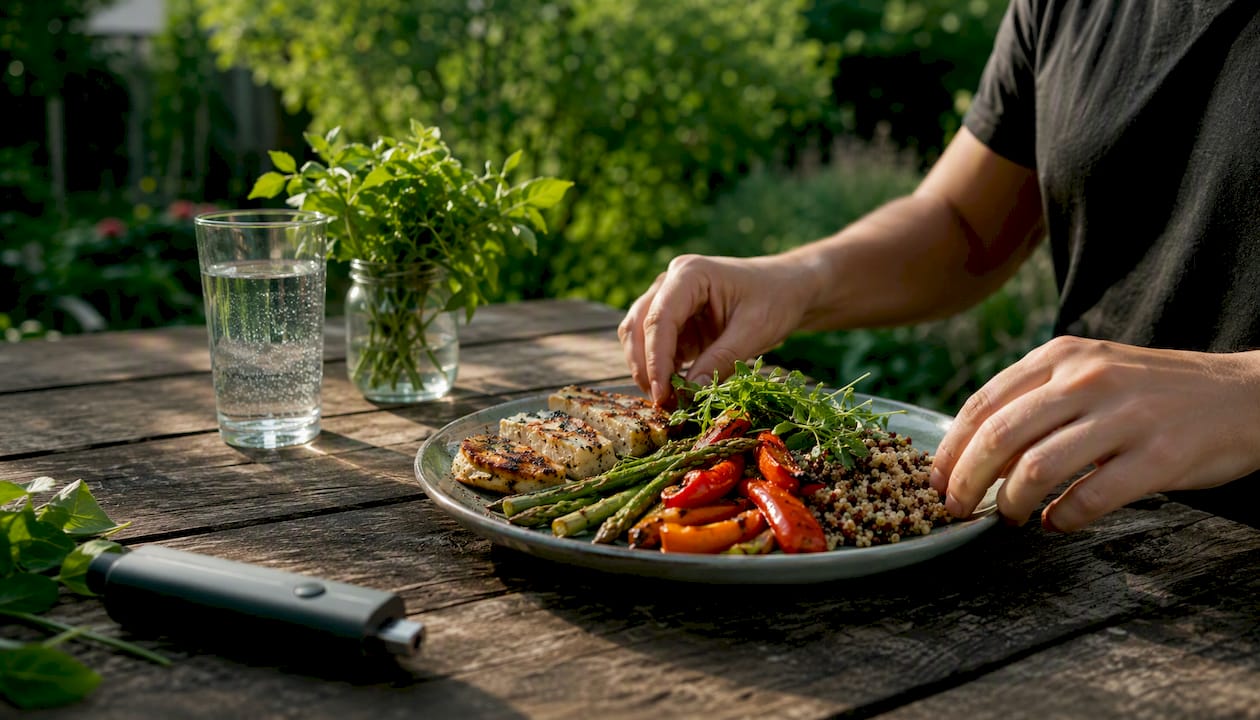
Stock your kitchen before you dose. Cannabis-driven hunger tends to favor whatever’s easiest to reach, which is why so many people default to chips and cereal instead of an actual meal. Prepping a real plate of food in advance, protein and vegetables included, turns the appetite boost into actual nutrition rather than empty calories.
For medical users managing weight loss from chemotherapy, HIV treatment, or another condition, consistency matters more than intensity. A modest, reliable dose taken at the same time before each meal builds a routine your body can anticipate, which tends to produce steadier results than sporadic high-dose sessions. Pairing a myrcene-forward flower with a mid-afternoon snack and a caryophyllene-heavy option before dinner lets you use the terpene differences deliberately instead of by accident.
Hydration and blood sugar also shape how strong the effect feels. Cannabis can mask nausea in some medical contexts, so people using it specifically for appetite recovery should track actual food intake, not just the sensation of hunger, to confirm the strategy is working.
Legal Considerations and Purchasing Regulations
Cannabis remains a Schedule I substance under federal law in the United States, but legal, regulated markets exist across a growing number of states for either medical or recreational purchase. Buying from a licensed dispensary means the product has gone through mandatory state testing, which typically screens for pesticides, heavy metals, microbial contamination, and confirms the potency and terpene numbers printed on the label.
Purchasing age requirements, possession limits, and product restrictions vary by state, and medical programs often carry different rules than recreational ones, including separate purchase limits and tax treatment. Always check your state’s cannabis control board or equivalent regulatory agency for current rules rather than relying on what applies elsewhere, since state law is the only binding standard until federal policy shifts.
Buying from unlicensed sources carries real risk beyond legality. Untested products have no verified THC percentage, no terpene report, and no guarantee against contamination, which defeats the entire purpose of choosing a product for its chemical profile. A COA only means something when it comes from a state-licensed lab tied to a state-licensed retailer.
Why Trust This Guide: Say Less Proof Points and the Author’s Perspective
. Saylessny curates every listed product against lab-tested certificates of analysis, meaning the THC and terpene numbers referenced throughout this guide reflect what’s actually verifiable on the menu, not marketing copy… Readers get pickup and same-day delivery across the Bronx and NYC, with brands selected for potency and flavor consistency rather than volume.
Ready to Try It? Find Appetite-Forward Products at Say Less
Reading a COA is one thing. Finding a product that actually matches the myrcene or CBG profile you’re after, in stock, tonight, is another problem entirely, and it’s the one Saylessny solves. The menu is built around lab-tested flower, vapes, and edibles from curated brands like CRU Cannabis and Florist Farms, with terpene data available before you buy instead of after.

If you’re newer to shopping by chemistry rather than strain name, the guide to choosing cannabis products that actually fit you walks through the same COA-reading logic covered here, applied across the full menu. Prefer edibles for a longer appetite window? The best edibles NYC roundup highlights lab-tested options with clear dosing. Same-day pickup and delivery across the Bronx and NYC mean you can go from reading this article to eating dinner without a multi-day wait. Check what’s in stock near you and place an order today.
The Bottom Line on Choosing Appetite-Boosting Cannabis
People spend too much energy chasing strain names and not enough reading what’s actually in the jar. The THC-CB1-ghrelin pathway is well established, and it doesn’t care whether the label says “indica” or “sativa.” What it cares about is potency and terpene content, and those numbers sit right there on the COA if you bother to look.
The bigger blind spot is treating every appetite product the same way. Someone managing cachexia from chemotherapy has different needs than someone chasing recreational munchies on a Friday night, and lumping them into one shopping strategy does both a disservice. CBG deserves far more attention than it gets, precisely because it offers appetite support without asking someone on five medications to also manage a strong psychoactive high. The strains getting the most hype online usually earn it for THC percentage alone, not terpene sophistication, and that gap between hype and actual chemistry is where most people waste money on the wrong product.
— Jake
This article is general information, not a substitute for advice from a qualified doctor. Consult a qualified healthcare professional about your own circumstances before acting on anything here.
Sources
- The science behind munchies: cannabis and your appetite – Examine
- Terpenes and appetite modulation (PMC5693998)
- The Cannabis sativa Versus Cannabis indica Debate: An Interview with Ethan Russo, MD – PMC
- Cannabigerol is a novel, well-tolerated appetite stimulant in pre-satiated rats (Psychopharmacology, 2016) – DOI 10.1097/fbp.0000000000000285
- Cannabis sativa terpenes are cannabimimetic and selectively enhance cannabinoid activity (Scientific Reports)