
There’s no shortcut that instantly clears THC from your system. The only real move is to stop consuming, get somewhere quiet and familiar, sip water, breathe slowly, and let your body do the work of metabolizing what you’ve taken. If anything feels seriously wrong, call 911, and if you’re just unsure how worried to be, Poison Control at 1-800-222-1222 will walk you through it.
TL;DR:
- Consuming more THC or trying chemical remedies like caffeine or alcohol can worsen the high or cause additional health risks instead of helping.
- Sensory techniques such as smelling pepper or citrus, cold water, or familiar media are low-risk ways to distract your mind and reduce anxiety during a bad high.
- Edibles take longer to peak and last longer, with effects sometimes persisting over 12 hours, so redosing too early often prolongs discomfort.
- The duration of a high varies by method, with smoking or vaping usually resolving within a few hours and edibles lasting up to 12 or more hours.
- Emergency calls are necessary if signs like trouble breathing, chest pain, seizures, or unconsciousness occur, but most bad highs simply require patience and supportive environment.
Table of Contents
- How Do You Sober Up From Weed Right Now?
- Which Home Remedies Actually Help a Bad High?
- How Long Does a Weed High Actually Last?
- When Should You Call Poison Control or 911?
- How Can You Avoid Getting This High Again?
- What Working in a Dispensary Has Taught Me About Bad Highs
- Find Safer, Lab-Tested Options for Next Time
- Where This Guidance Comes From
- Sources
- FAQ
How Do You Sober Up From Weed Right Now?
The first hour after realizing you’re too high is about damage control, not speed. Your body is already processing the THC; your job is to stop adding to the problem and make the experience less scary while it passes.
Here’s the order that actually helps:
- Stop consuming. Put the joint, vape, or edible package away and out of sight. No more hits, no more bites, even if you feel like “just a little more” might balance things out.
- Move somewhere calm. A quiet, dim, familiar room beats a loud party or a crowded street every time. Medical toxicology guidance points to environment shift and grounding techniques as genuinely useful because fear and sensory overload tend to make a high feel worse than it is.
- Sit or lie down safely. If you feel dizzy or unsteady, get low to the ground where you can’t fall.
- Breathe slowly. Try a simple box breath: in for four counts, hold for four, out for four, hold for four. Repeat it until your heart rate settles.
- Ground yourself. Name five things you can see, four you can touch, three you can hear. It sounds simple because it is; it interrupts the anxious loop that makes a high feel endless.
- Sip water slowly. Small sips, not gulps. A bland snack like crackers or toast can help if your stomach can tolerate it.
- Avoid alcohol and caffeine. Both can spike your heart rate or worsen anxiety at the exact moment you’re trying to calm down.
- Stay with a sober, calm person if one is around. If nobody’s available and you’re rattled, call Poison Control.
Pro Tip: Set a timer for 20 minutes and just breathe and wait. Watching the clock tick down gives your brain a concrete endpoint, which helps more than staring at nothing wondering when it’ll end.
Which Home Remedies Actually Help a Bad High?
A lot of the advice floating around does more harm than good. Coffee is one of the biggest offenders. Caffeine raises your heart rate, and combined with THC, that can intensify the racing, anxious feeling instead of clearing it. Alcohol is worse. Mixing substances to “cancel each other out” doesn’t work that way. It actually increases impairment and makes symptoms harder to monitor, which is exactly the opposite of what you want when you’re already uncomfortable.
What does help tends to be sensory, not chemical:
- Black pepper: chewing on a whole peppercorn or smelling ground pepper is a popular trick. The beta-caryophyllene in pepper may offer a grounding sensory distraction, though it’s not a proven fix, just a low-risk thing to try.
- Citrus: smelling or eating an orange or lemon works on the same principle, giving your brain something sharp and specific to focus on.
- Cold water on your wrists or a lukewarm shower: physical sensation pulls attention away from racing thoughts.
- Familiar media: a show you’ve seen a dozen times, or a favorite playlist, gives your brain something predictable to latch onto.
CBD gets recommended constantly, and the evidence is genuinely mixed. It may ease anxiety for some people, but it isn’t a reliable rapid antidote for an active THC high. Investigational drugs like CB1 antagonists such as ANEB-001 have shown promise in reversing THC effects in controlled trials, but that’s clinical research, not something you can buy or use at home.
How Long Does a Weed High Actually Last?
How long you’re stuck riding this out depends almost entirely on how you consumed it. Smoking or vaping hits fast and clears faster. Edibles take longer to kick in and can hang around for most of the day.
| Method | Onset | Peak intensity | Total duration |
|---|---|---|---|
| Smoking / vaping | Within minutes | Peak intensity generally within a short period | Usually resolves within a few hours |
| Edibles | 30 minutes to 2 hours | Varies, often delayed | 4 to 12+ hours |
That range comes from MedlinePlus’s guidance on cannabis intoxication, and it holds up across most acute cases. The edible timeline runs longer partly because of how your liver processes it; learn more about how long edibles last and safety to help manage your experience. Digested THC gets converted into 11-hydroxy-THC, a metabolite that crosses into your brain more efficiently and can feel considerably stronger than smoking the same amount. That’s also why redosing edibles too soon is such a common mistake. If you ate something 45 minutes ago and don’t feel anything yet, that’s not a sign to eat more. It’s a sign the edible hasn’t hit yet.
While you wait it out, rest matters more than you’d think. A nap lets your body keep metabolizing without you having to consciously manage the discomfort, and tracking what you took (and when) gives you useful information if things escalate.
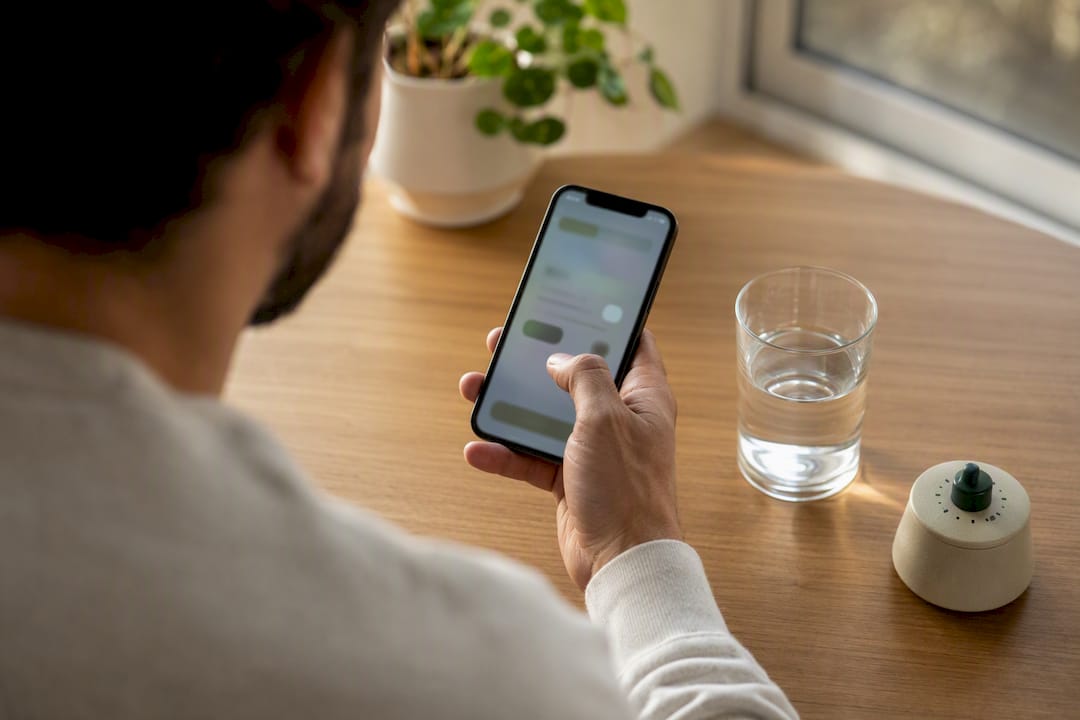
When Should You Call Poison Control or 911?
Most bad highs are unpleasant, not dangerous. But certain signs cross the line from uncomfortable into medical emergency, and you shouldn’t talk yourself out of calling for help if you see them.
Call 911 immediately for:
- Trouble breathing or shortness of breath
- Chest pain
- Seizure
- Collapse or fainting
- Inability to wake someone up
- Severe confusion or agitation that isn’t settling
If you’re not sure whether what’s happening qualifies as an emergency, that uncertainty itself is a reason to call Poison Control at 1-800-222-1222. They’re built for exactly this kind of judgment call, and they’d rather talk you through a false alarm than have you guess wrong.
The CDC’s guidance on cannabis poisoning backs this escalation path. Children, older adults, pregnant people, and anyone with existing heart disease should lean toward calling sooner rather than waiting to see if symptoms pass. When you call, have the product type, estimated milligrams if you know them, the time you consumed it, and your current symptoms ready to share.
How Can You Avoid Getting This High Again?
The best way to sober up from weed next time is to never need to. That starts with dosing. For edibles, start at 2.5 to 10 mg and wait a full 2 hours before considering more. Most overdose situations happen because someone assumed nothing was working and ate a second serving before the first one even kicked in.
A simple “too-high” kit, kept somewhere accessible, takes the panic out of a bad moment:
- Water and a bland snack, stored somewhere you’ll actually remember.
- A CBD tincture you’ve already tried before, so you know how your body responds to it.
- Whole peppercorns, cheap and shelf-stable.
- Emergency numbers written down, not just saved in a phone you might not want to touch.
- A calming playlist or familiar show queued up in advance.
Reading through a dosage reference before you consume, rather than after, is where most people go wrong. Say Less’s edible dosage guide breaks down milligram ranges by experience level, and understanding how long edibles actually last helps you resist the urge to redose too early.
Pro Tip: After any rough experience, write down the product name, brand, and dose while it’s fresh in your memory. That note becomes exactly what a clinician or Poison Control needs if you ever have to call.
What Working in a Dispensary Has Taught Me About Bad Highs
Most of the calls and questions I hear about a rough high resolve the same way: time, water, and a quiet room. People panic because the sensation feels endless, not because it actually is. Dispensaries exist to help you dose smarter and know what’s in your product before you consume it. That’s prevention, not emergency care, and the two shouldn’t get confused.
— Jake
Find Safer, Lab-Tested Options for Next Time
This dispensary offers lab-tested edibles and tinctures, so you can know the milligram count before you consume, rather than guessing from an unlabeled bag.

None of this reverses a high you’re in right now. What it does is set you up to never overshoot again. Browse lab-tested edibles from Say Less, check the edible dosage guide before your next order, and place a same-day delivery through the Say Less menu when you’re ready to try dosing the smarter way.
Where This Guidance Comes From
This guidance draws on MedlinePlus, CDC cannabis health data, Poison Control, and NIDA research.
This article is general information, not a substitute for advice from a qualified doctor. Consult a qualified healthcare professional about your own circumstances before acting on anything here.
Sources
- Marijuana intoxication – MedlinePlus
- Cannabis and public health | CDC
- Cannabis (book chapter) — NCBI Bookshelf
- Risks of combined substance use — PMC
FAQ
What Sobers You Up From Weed?
Nothing sobers you up instantly. Stopping consumption, moving to a calm space, sipping water, and breathing slowly while your body metabolizes the THC is the only approach supported by medical guidance.
What Helps a Weed Hangover?
Rest, hydration, and a light meal help most people the next day. A short nap is often the most reliable fix, since sleep gives your body time to keep processing THC without you fighting the discomfort.
How Do You Come Down Off a High Faster?
You can’t speed up your metabolism, but you can make the experience feel shorter by grounding yourself: slow breathing, naming things around you, and sitting somewhere quiet until the peak passes.
How Do You Quickly Lower a High?
There’s no way to lower it instantly. Avoid alcohol and caffeine, which can worsen symptoms, and instead focus on water, calm surroundings, and time. Most inhaled highs ease within 4 to 8 hours.
When Should I Worry About a Bad High?
Call 911 for trouble breathing, chest pain, seizures, collapse, or inability to wake someone up. For anything less severe but still concerning, Poison Control at 1-800-222-1222 can help you figure out next steps.