
If your edible didn’t hit, the most likely culprits are timing, tolerance, an empty stomach, or how your liver processes THC, not a bad batch or a defective body. The safest move right now is to stop, note what you took and when, and wait at least 2 to 3 hours before considering anything else. Re-dosing early is the single biggest mistake people make, and it’s the one most likely to land you in urgent care.
TL;DR:
- Edible effects depend heavily on individual factors like genetics, metabolism, and whether you ate on an empty stomach, limiting predictable potency.
- The delayed onset of 30 to 90 minutes makes it easy to redose prematurely, causing unexpectedly intense effects and increasing emergency risks.
- Consuming with a high-fat meal, starting with low doses, and waiting at least 2 to 3 hours helps achieve more consistent results and avoid overconsumption.
- Genetics and enzyme activity affect how THC is metabolized into more potent compounds, leading to widely varying responses even with the same dose.
- Lab-tested, accurately labeled edibles and tracking your responses improve safety and consistency better than simply increasing dosages.
Table of Contents
- Why Edibles Not Working Usually Comes Down to Biology, Not Bad Luck
- Common Reasons Edibles May Seem to Not Work for You
- What to Do Right Now (and How to Test It Safely Next Time)
- Why Redosing Too Soon Is the Real Danger
- Why This Guidance Holds Up
- The Advice Nobody Gives You About Edibles
- Get Edibles That Actually Match the Label
- Sources
Why Edibles Not Working Usually Comes Down to Biology, Not Bad Luck
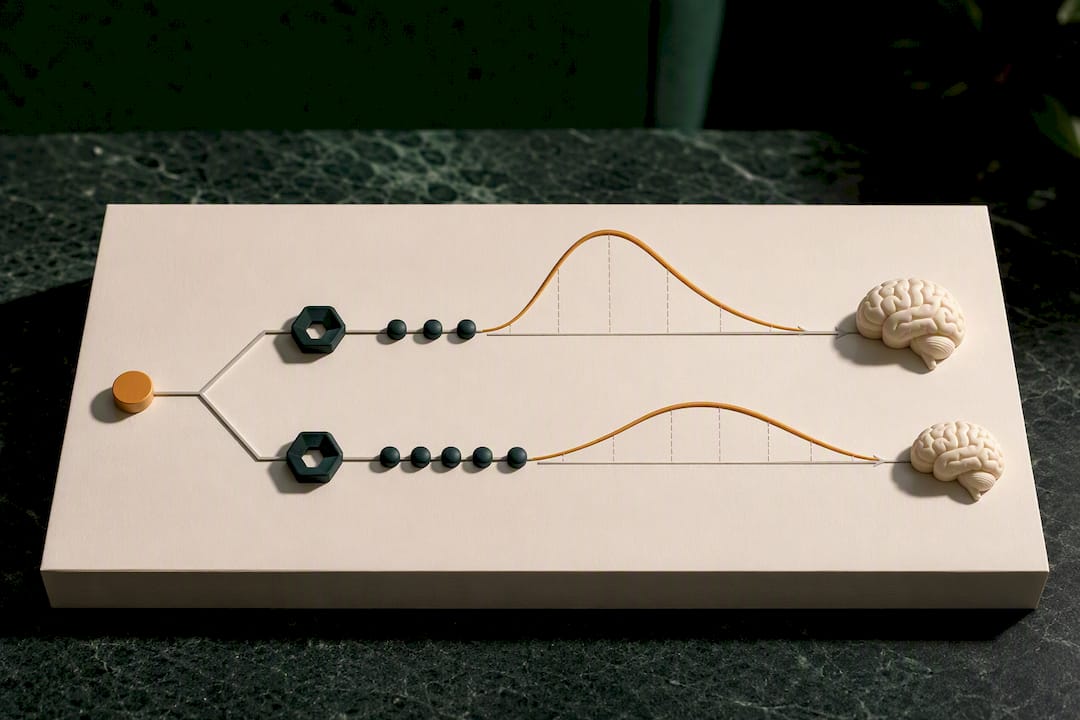
When you swallow an edible, THC has to survive your stomach, get absorbed into your bloodstream, and pass through your liver before it reaches your brain. That last step matters more than most people realize. Your liver converts THC into a metabolite called 11-hydroxy-THC, which is actually more psychoactive than the THC you started with, but the conversion process is slow and wildly inconsistent from person to person, according to a systematic review of oral THC pharmacokinetics.
That’s the core reason edible potency issues feel so unpredictable compared to smoking or vaping. Inhaled THC hits your bloodstream directly through your lungs in seconds. Oral THC has to survive digestion first, and bioavailability from that route is often cited between 4% and 12%, compared to roughly 30% when smoked, based on pharmacokinetic research on oral administration. Less of the dose actually reaches your system, and how much depends on things you can’t see or control on any given day.
A few factors drive most of that variability:
- Onset timing: Most people feel something within about half an hour to an hour and a half after eating, with peak effects occurring one to several hours in, but this window can vary depending on your metabolism.
- Fat content: THC is lipophilic, meaning it binds to fat molecules for absorption, so a fatty meal alongside your edible increases how much THC your body actually takes in.
- Formulation: Capsules and tablets tend to deliver more predictable, consistent doses than baked goods or infused oils, where potency can vary from bite to bite.
Understanding this mechanism explains a lot of what’s covered next: why the same 10mg gummy can knock one person flat and do almost nothing to another sitting beside them. If you want a deeper look at how individual body chemistry shapes cannabis response, your endocannabinoid system plays a real role too.
Common Reasons Edibles May Seem to Not Work for You
Before you assume the product is weak or your body is broken, walk through this list. Most edible dosage problems trace back to one of seven things.
-
You didn’t wait long enough. This is by far the most common issue. Because oral THC takes 30 to 90 minutes to kick in and can take up to 3 hours to peak, plenty of people give up and take a second dose before the first one has even finished absorbing. That’s how edibles not hitting turns into edibles hitting way too hard, all at once, later.
-
You’ve built up tolerance. Frequent cannabis users experience receptor downregulation over time, meaning your body needs more THC to produce the same effect it once got from less.
-
Your genetics affect how you metabolize THC. Enzymes like CYP2C9 and CYP3A4 control how quickly your liver converts THC into 11-hydroxy-THC. People with reduced CYP2C9 activity can process oral cannabinoids very differently, leading to higher or delayed exposure compared to someone with typical enzyme function, according to clinical pharmacology data on dronabinol.
-
You ate on an empty stomach. Fasted states reduce oral THC absorption. That same clinical data shows fed states, especially high-fat meals, measurably increase total exposure.
-
The product itself has issues. Inconsistent dosing, poor manufacturing, or degradation from heat, light, or age can all lower actual potency below what the label says.
-
Your gut is moving too fast. Rapid gastrointestinal transit or certain digestive conditions can push THC through your system before it’s fully absorbed.
-
You’re on medication that interferes. Certain prescription drugs and even grapefruit juice can alter enzyme activity, a process researchers call phenoconversion, which changes how your body handles THC on any given day, per research on pharmacogenomic influences on cannabinoid metabolism.
A pattern worth knowing: public-health researchers have repeatedly traced emergency-department visits linked to edibles back to people who assumed their first dose failed and took another one too soon. Delayed onset isn’t a flaw in the product. It’s the defining feature of how oral cannabis works, and not knowing that is what gets people into trouble. Some people report barely feeling edibles at all despite trying multiple times, a phenomenon reporters have called “ediblocking”, and scientists still don’t have a full explanation for why it happens to some people and not others.
What to Do Right Now (and How to Test It Safely Next Time)
If you’re sitting there wondering if edibles work at all, do this first: write down the time, the dose, and what you ate beforehand. Then wait. Do not take more for at least 2 to 3 hours unless something feels seriously wrong, in which case skip straight to medical help.
For your next attempt, run it like a small experiment instead of a guess:
- Pick a known, lab-tested low dose, ideally 5mg or less if you’re unsure how you’ll respond.
- Eat it alongside a meal with some fat in it, not on an empty stomach.
- Set a timer for a full 2 to 3 hours before you evaluate anything.
- Log the outcome so you have a real baseline instead of a memory.
- Check the packaging for lab results, an expiration date, and proper storage. Cannabis products lose potency over time, especially if they’ve been left somewhere warm.
If edibles consistently underperform for you even with good technique, alternative routes like sublingual tinctures or low-dose capsules absorb more predictably, since they skip some of the digestive variability that trips up baked goods and gummies. For a full walkthrough of dosing math, Saylessny’s edible dosage guide breaks down mg amounts by experience level.
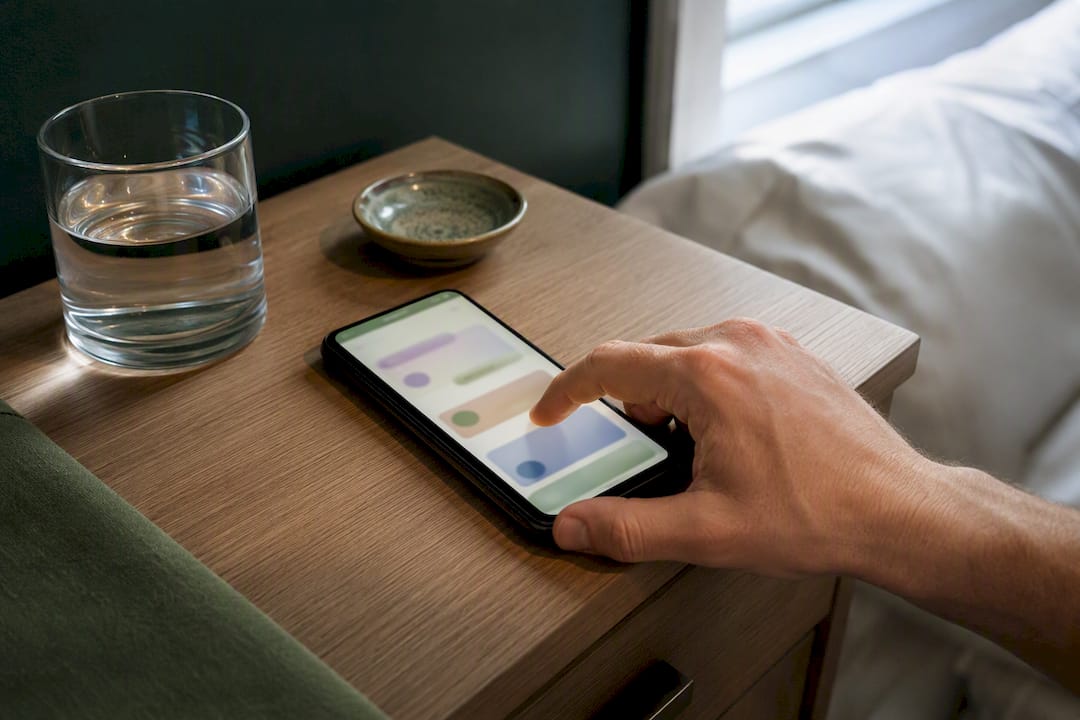
Pro Tip: Keep a simple note on your phone with dose, time eaten, food eaten, and how you felt at 1, 2, and 3 hours. After two or three sessions, you’ll know your own absorption pattern better than any general guideline can tell you.
Why Redosing Too Soon Is the Real Danger
The biggest risk with edibles isn’t the first dose. It’s the second one taken too early. Because THC absorption is delayed and uneven, your body can still be climbing toward peak concentration from dose one when dose two arrives, stacking effects into something far more intense than either dose alone.
Watch for these signs that call for real medical attention, not just waiting it out:
- Severe chest pain or a racing heartbeat that doesn’t settle
- Difficulty breathing
- Extreme agitation, paranoia, or a break from reality
- Repeated vomiting
- Losing consciousness or being unresponsive
If you’re on prescription medication, talk to a pharmacist about potential CYP interactions before you try adjusting your dose on your own. If you’re with someone who’s taken too much, keep the environment calm and quiet, offer water, and don’t hesitate to call for medical help if symptoms escalate.
Why This Guidance Holds Up
This breakdown draws on peer-reviewed pharmacokinetic research, clinical pharmacology data on THC metabolism, and public-health reporting on cannabis-related emergency visits, not guesswork. Saylessny only carries lab-tested edibles from vetted brands, so the potency on the label reflects what’s actually in the product. That matters more than most dispensaries let on. For more on how storage affects potency over time, see Saylessny’s guide on whether edibles expire, and for a deeper dive into absorption timelines, check how long edibles actually last.
The Advice Nobody Gives You About Edibles
Most guides treat “edibles not working” as a dosing problem alone: take more, wait longer, buy stronger. That’s incomplete. The research on CYP2C9 variation and phenoconversion tells you something more useful: two people can take the exact same product and metabolize it in genuinely different ways. Chasing a bigger dose without understanding that first is how people end up overshooting badly.
What gets underrated is patience as a strategy. A 3-hour wait feels excruciating when you’re convinced nothing is happening, but it’s the cheapest, safest diagnostic tool you have. What gets overrated is brand hype promising a “guaranteed” high. No formulation eliminates biological variability entirely.
If I had to prioritize one thing for someone frustrated with edibles, it’s this: start low, log everything, and treat your first few sessions as data collection instead of a test you’re failing. The people who get the most consistent results are the ones who stopped guessing and started tracking.
— Jake
Get Edibles That Actually Match the Label
Saylessny sells lab-tested edibles with verified potency, so the number on the package is the number you’re actually getting, no rounding, no guessing whether last month’s batch matches this one. That consistency is the difference between troubleshooting your dose and troubleshooting a product you can’t trust in the first place.

Browse the best edibles NYC has to offer for curated, potency-verified picks, or use the edible dosage guide to figure out where to start based on your tolerance. If you’re newer to cannabis and unsure what format even fits your goals, this breakdown of choosing the right product walks through the basics before you buy. For readers curious about how oral cannabinoids compare to raw flower and other formats, Luxurious Habbits’ THCA flower guide covers that ground well. Same-day pickup and delivery across the Bronx and NYC are available now at Saylessny.
Sources
- Cannabinoid-related emergency department visits (PMC article)
- Dronabinol therapy and CYP2C9 genotype (NCBI drug label/book)
- Ediblocked: Some people can’t get high from edibles (Boston Globe)