
Match the product format to how fast you want it to work and how long you want it to last, confirm the label shows lab testing, and start with the lowest dose on the menu if you’re new. That’s the whole rule. Everything else is detail.
If you want to feel effects fast and adjust in real time, an inhaled option (flower, a pre-roll, or a vape) gives you that control. If discretion matters more than speed, a low-dose edible or tincture works better, but you have to be patient with it.
- Pick your lane first: fast and adjustable, or slow and long-lasting.
- Always check for a Certificate of Analysis (COA) before buying.
- New to cannabis, or trying a new format? Start at the lowest labeled dose.
- On medication or managing a health condition? Ask a pharmacist or doctor before combining, and give edibles a full two hours before judging the effect.
Key Takeaways
Choosing a cannabis product comes down to matching format to your desired onset and duration, confirming lab testing through a visible COA, and starting at the lowest effective dose.
| Point | Details |
|---|---|
| Match format to timing | Inhaled options act in minutes; edibles take 30 to 120+ minutes and last much longer. |
| Start at 2.5 mg THC | Wait 90 to 120 minutes before any redose, especially with edibles. |
| Verify the COA | Confirm batch number, manufacture date, and lab results before buying. |
| Use terpenes as a guide, not a guarantee | Myrcene, limonene, and linalool correlate with different feels, but evidence is still early. |
| Shop with a curated, lab-tested dispensary | Say Less verifies COAs across its menu, including brands like Jeeter and Florist Farms, so the label matches the lab. |
Table of Contents
- Choosing Cannabis Products by How They Actually Behave
- What Do THC and CBD Labels Actually Mean for You?
- How Much Should a Beginner Actually Take?
- Which Cannabis Product Fits Your Lifestyle?
- How Do You Know a Cannabis Product Is Actually Safe?
- What Should You Ask Before Buying Cannabis?
- How Say Less Applies These Standards in Every Curated Product
- What Beginners Get Wrong About Choosing Cannabis Products
- Find Lab-Tested Products Without the Guesswork
- Sources
Choosing Cannabis Products by How They Actually Behave
Every format hits differently, and the “right” one depends entirely on what you’re solving for. Fast relief? Long, steady effects? Something you can stop mid-experience if it’s too much? That’s the real filter, and it’s more useful than THC percentage or brand name.
Flower and pre-rolls kick in within minutes and taper off in two to four hours. You feel it building, which means you can stop at your peak instead of hoping you guessed the dose correctly. The tradeoff is imprecision. No two puffs deliver exactly the same amount.
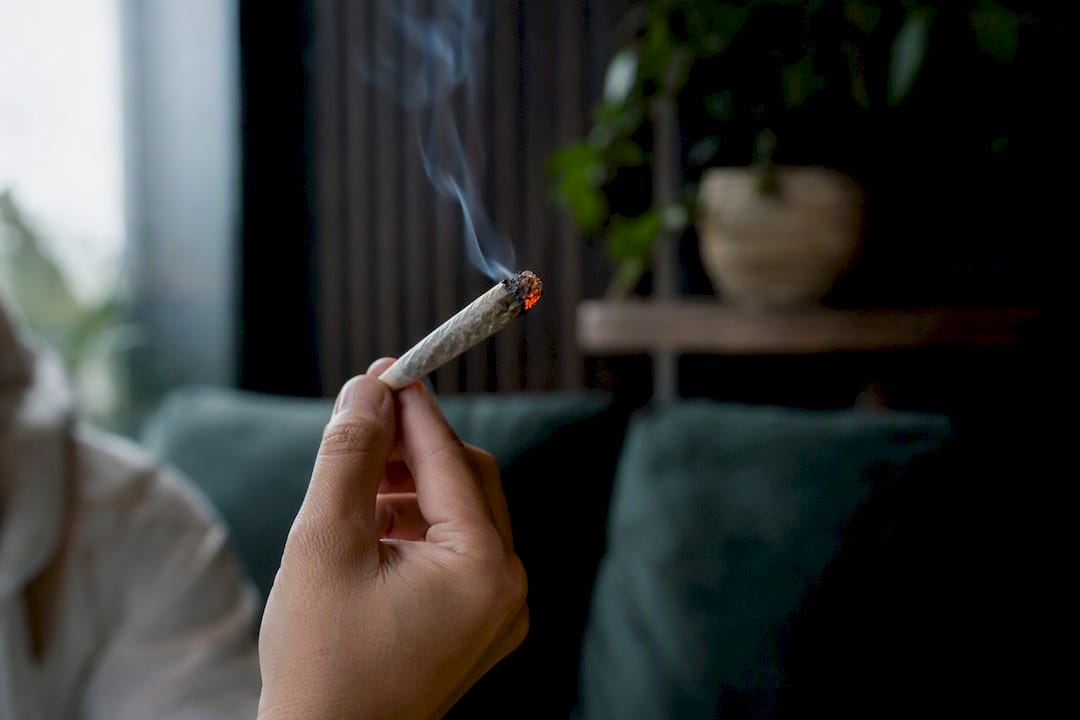
Vapes behave similarly to flower, minutes to onset, a couple of hours of effect, with more discretion and portability. The catch is hardware quality. Cheap cartridges and additives are a real concern, so stick to labeled, lab-tested options.
Edibles and drinks take 30 to 120 minutes to kick in, sometimes longer depending on your metabolism and stomach contents, and can last six hours or more. That delay is exactly why edibles cause the most “I took too much” stories.
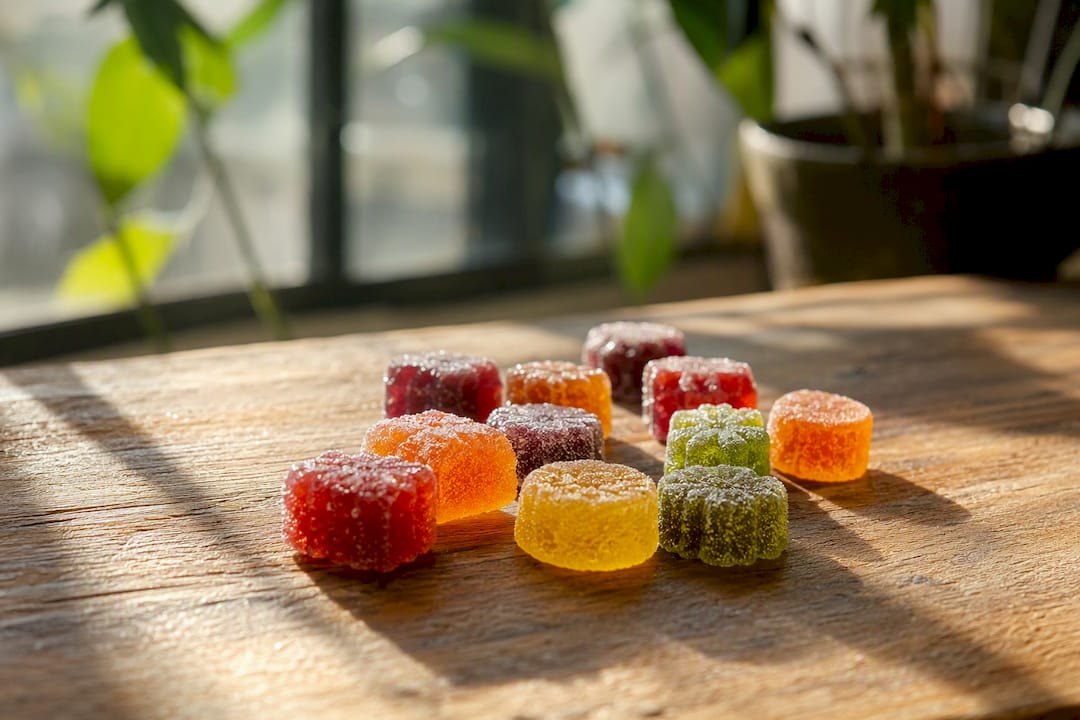
Tinctures and capsules land in between: faster than edibles when taken sublingually, easier to dose precisely thanks to a dropper or fixed capsule amount.
Topicals never get you high; they work locally for soreness or skin issues. Concentrates deliver the highest potency by far and demand experience most beginners haven’t built yet.
What Do THC and CBD Labels Actually Mean for You?
THC is the compound that gets you high; CBD doesn’t, and it can soften some of THC’s sharper edges like anxiety or racing thoughts. For most first-timers, a CBD-dominant or balanced 1:1 THC:CBD product produces a more predictable, gentler experience than a straight THC option.
Terpenes are the aromatic compounds that give cannabis its scent, and they shape the feel of a product as much as THC content does. A few worth knowing:
- Myrcene: earthy, often associated with a relaxed, sedating feel.
- Limonene: citrusy, associated with an uplifted, brighter mood.
- Linalool: floral, associated with calm and reduced tension.
There’s real science starting to back this up. A 2024 double-blind study at Drexel University gave 20 healthy adults vaporized THC with and without added limonene, and the limonene group reported less anxiety. That’s a small sample, and it’s early evidence, not proof that every citrusy strain will calm you down. Treat terpene guidance as a useful signal, not a guarantee, and read more on how terpenes shape THC’s effects before assuming percentage alone tells the whole story.
How Much Should a Beginner Actually Take?
Start with 2.5 mg of THC if you’re trying an edible for the first time, and don’t take a second dose for at least 90 to 120 minutes. That window matters because edibles convert THC into 11-hydroxy-THC in the liver, a metabolite that hits harder and later than what you feel from smoking or vaping.
- Check the label for mg per serving, not just THC percentage. A 10 mg gummy and a 25% THC flower aren’t measured on the same scale.
- Take one dose, then wait the full window. Two hours feels long when nothing seems to be happening at minute 40, but that’s exactly when people overdo it.
- If you’re smoking or vaping, start with one or two inhalations and pause for ten minutes before continuing.
- For concentrates, cut the starting amount dramatically. Potency here is often two to four times that of flower, and the math doesn’t scale the way people assume.
Pro Tip: Keep a simple note on your phone with the product, dose, and how you felt. After two or three tries, you’ll know your actual tolerance instead of guessing every time.
Our edible dosage guide breaks this down further if you want an actual mg chart instead of rough numbers.
Which Cannabis Product Fits Your Lifestyle?
The best product for a Tuesday afternoon at your desk is not the best product for a Saturday night out, and neither is right for winding down before bed. Match the format to the moment.
- Busy professional, daytime use: a low-dose tincture or a balanced THC:CBD product keeps you functional without the two-hour edible commitment.
- Social night out: a vape or pre-roll gives you real-time control so you can match the room without overcommitting.
- Sleep support: a slower-onset edible with a touch of myrcene-forward flower can carry you through the night, but take it early enough to catch the tail end awake.
- Chronic pain or wellness routines: tinctures and capsules offer consistent daily dosing that’s easier to track over weeks, not just one session.
Tolerance changes all of this. What worked at 2.5 mg during your first month might do nothing after a year of regular use, which is exactly why keeping notes on your own reactions beats copying a friend’s routine.
How Do You Know a Cannabis Product Is Actually Safe?
A trustworthy product tells you everything before you buy it: milligrams per serving, total servings, a batch number, a manufacture date, and a Certificate of Analysis (COA) you can actually access, usually through a QR code or link on the packaging.
Labs testing that COA check for pesticides, residual solvents, heavy metals, and accurate potency, confirming the product is both what it claims and free of contaminants. If a package skips any of that, especially the COA, that’s your signal to skip the product. Reputable education sources are consistent on this point: verify third-party testing before you buy, every time, not just the first time.
- Confirm mg per serving and total servings on the label.
- Look for a batch number and manufacture date.
- Scan or click through to the actual COA, not just a logo claiming “lab tested.”
- If you take prescription medication, ask a pharmacist about interactions before combining, particularly with blood thinners or sedatives.
What Should You Ask Before Buying Cannabis?
Walk in (or open the menu online) with a short list, and you’ll skip the twenty minutes of standing there overwhelmed by unfamiliar names.
- What’s your desired format: fast-acting for control, or slower for a longer, hands-off effect?
- What THC:CBD ratio fits your goal, balanced, CBD-dominant, or standard THC?
- What’s a sensible starting dose given your experience level?
- Can I see the COA for this specific batch?
- What’s the batch number and manufacture date on this package?
If discretion is a priority, ask about low-odor pre-rolls or capsule options instead of flower. If you’re managing a health condition, mention it. Staff can often steer you toward gentler ratios instead of high-THC options built for tolerance you don’t have yet.
How Say Less Applies These Standards in Every Curated Product
Every product on the Say Less menu carries lab-tested verification before it ever reaches a shelf or a delivery bag, and staff walk newcomers through dosing, ratios, and format tradeoffs rather than just pointing at whatever’s popular that week.
- Menu listings show dosing and COA access clearly, so you’re not digging for information at checkout.
- Curated brands like Jeeter and Florist Farms are chosen for consistency between what the label claims and what the lab confirms.
- Staff treat first-time visits as an education stop, not just a transaction, matching format to your actual goal instead of upselling potency.
- Our dispensary guide for NYC covers how to evaluate curation quality if you’re comparing options beyond a single visit.
What Beginners Get Wrong About Choosing Cannabis Products
Most guidance on this topic obsesses over THC percentage, as if a 28% flower is automatically stronger or better than an 18% one. It isn’t, not in any way that predicts your actual experience. Percentage tells you almost nothing about onset, terpene profile, or how your body processes the product that day. The obsession with high numbers pushes new users toward concentrates and heavy-hitting flower when a CBD-balanced tincture would’ve served them better.
The bigger failure in most advice is treating dosing as a formula instead of a habit. A single “correct” starting dose doesn’t exist. What exists is a conservative starting point, honest tracking of how you respond, and the discipline to wait before adjusting. That’s less exciting to write about than a strain review, which is probably why it gets skipped.
If you take one thing from this: prioritize the COA and the format’s control profile before you ever look at potency. A lab-tested 15% flower you can dose predictably beats an untested 30% flower every time.
— Jake
Find Lab-Tested Products Without the Guesswork
Say Less built its entire menu around the standards this article just walked through: visible COAs, clear mg-per-serving labeling, and curated brands like Jeeter, Florist Farms, and Hudson Cannabis that back up their claims with lab results, not just marketing.

If you’re in The Bronx or greater NYC, Say Less handles both in-store pickup and same-day delivery, so you get vetted products without spending an afternoon comparing menus across five different sites. Whether you’re leaning toward a low-dose tincture for daily use or a fast-acting vape for a night out, the menu filters by brand so you can narrow by format and potency before you ever place an order. New to edibles specifically? Start with the edible dosage guide to pick a milligram count that matches your experience level, then place your order for pickup or delivery today.
This article is general information, not a substitute for advice from a qualified doctor. Consult a qualified healthcare professional about your own circumstances before acting on anything here.
Sources
- National Academies / NCBI resource on cannabis (starter dosing guidance)
- Drexel University / cannabis research highlight on terpene d-limonene study (2024)
- 23rd State: essential cannabis tips for beginners